



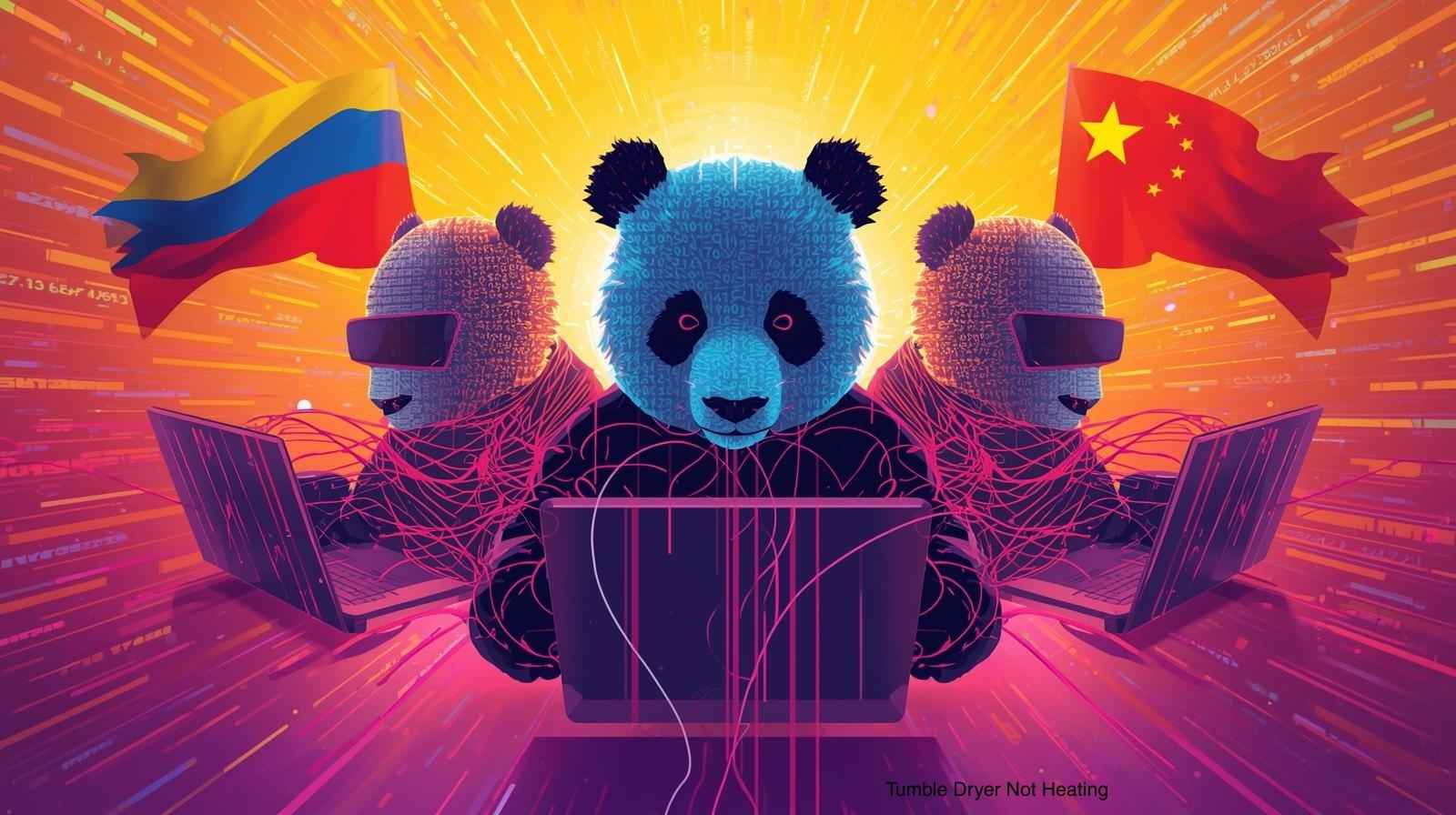
The Mustang Panda phishing campaign involving Venezuela, the United States, and China shows how cyber espionage has become more human-focused than technical. In early 2026, a China-linked threat group targeted U.S. government and policy organizations using Venezuela-themed phishing emails. These emails looked routine, relevant, and familiar, which made them difficult to spot as malicious.
Instead of using advanced malware, the attackers relied on timing and context. This approach reflects a wider trend in modern cyber espionage.
What Happened
The campaign began with emails that referenced U.S. foreign policy decisions related to Venezuela. For people working in government or policy roles, this topic did not appear suspicious. In fact, it matched their daily responsibilities.
Each email contained a compressed attachment that looked like a briefing document. When opened, the file attempted to install malware designed to stay hidden and collect information over time. Although no public confirmation of successful infections exists, the structure of the attack clearly points to espionage intent.
Who Is Mustang Panda
Mustang Panda is a long-running advanced persistent threat group known for cyber espionage. The group focuses on government agencies, policy organizations, research institutions, and diplomatic bodies.
Unlike financially motivated attackers, Mustang Panda aims for quiet access. It prefers long-term presence over immediate impact. This makes its campaigns harder to detect and easier to overlook.
Why Venezuela Was Used
Venezuela was chosen because it was already part of active U.S. policy discussions. As a result, the phishing emails felt natural and timely.
When an email topic aligns with someone’s job, suspicion drops. Attackers understand this behavior well. By using Venezuela as the lure, they increased the chance that recipients would open the attachment.
This tactic explains why geopolitical phishing continues to succeed.
Why U.S. Organizations Were Targeted
U.S. government and policy organizations were the main targets because they handle sensitive information every day. Even limited access can expose internal discussions, early policy thinking, and strategic planning.
For espionage groups, this type of information has lasting value. It can be collected quietly without causing immediate disruption.
China and Cyber Espionage Strategy
Mustang Panda is widely tracked as China-linked based on its long-term targeting patterns. Its operations often align with geopolitical interests rather than short-term goals.
The Venezuela US China Mustang Panda phishing campaign fits this pattern. The goal appears to be intelligence collection, not disruption or financial gain.
Why This Campaign Matters
This campaign highlights several important trends. First, phishing attacks are becoming more contextual. Second, real-world events are now common attack tools. Third, government and policy organizations remain constant targets.
Most importantly, the campaign shows that simple attacks can still be effective when the message feels believable.
How Organizations Can Reduce Risk
Organizations should treat geopolitically themed emails with caution. Email security controls should be strengthened for current-event content. Users should be encouraged to pause before opening attachments, even when topics look familiar.
In addition, restricting execution from compressed files, monitoring systems for unusual behavior, and running realistic phishing training can reduce risk. Security works best when people and technology support each other.
Conclusion
The Mustang Panda phishing campaign using Venezuela-themed emails shows how cyber espionage now mirrors global politics. By aligning attacks with real events involving Venezuela and the United States, attackers increased trust and engagement.
As geopolitical tensions continue, similar phishing campaigns are likely to increase. Government and policy organizations must remain alert to threats that look legitimate, timely, and familiar.
