



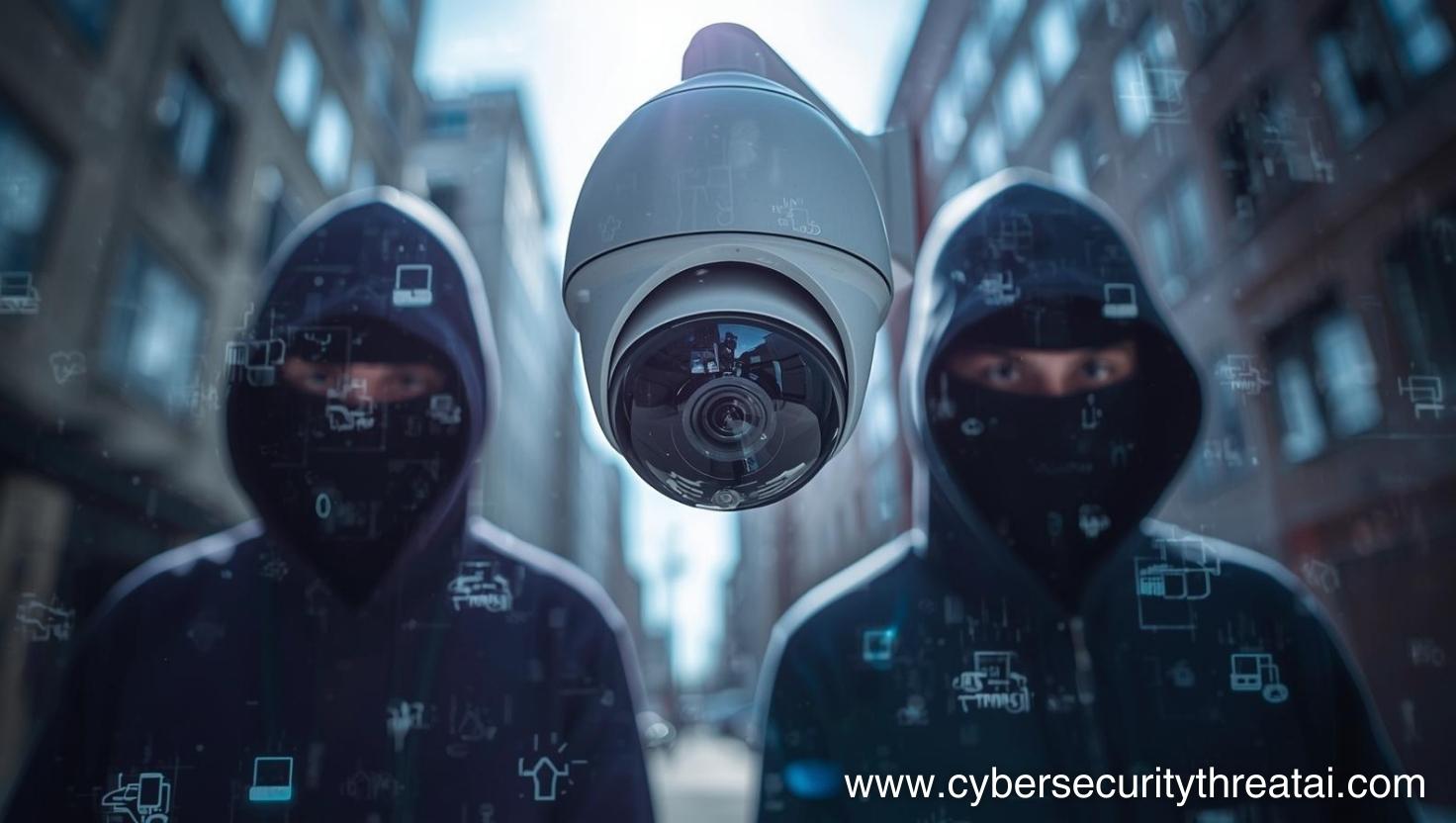
South Korea is dealing with one of the most disturbing IP Camera Breach with privacy breaches in recent times. Investigators have uncovered a large scale hacking operation that compromised around one hundred twenty thousand internet connected cameras placed in homes and small businesses. These cameras were meant to offer safety but instead became a tool for invasion. Authorities have arrested four suspects who allegedly collected private camera feeds and sold the recordings on dark web markets. What makes this breach even more troubling is that some of the stolen clips were used for sexually exploitative content. The incident has created shock across the country and is quickly becoming a global case study on how vulnerable everyday devices can be.
How the Hackers Accessed So Many Cameras
The investigation suggests that the attackers took advantage of simple weaknesses that many users overlook.
1. Weak or unchanged default passwords
Many cameras still run on the username and password that came in the box. Attackers scan the internet for such devices and log in without resistance.
2. Poor device configuration
Some users leave remote access open which allows anyone on the internet to reach the camera if they guess the credentials.
3. Outdated firmware
Manufacturers release updates that fix security issues but users rarely install them. This leaves devices exposed to old vulnerabilities.
Why This Incident Is More Serious Than a Typical Breach
This attack did not steal financial data or business documents. It targeted people in their private spaces where they expect full safety.
1. Serious privacy violations
Footage from bedrooms, offices, living rooms and small stores was taken without consent. The emotional and psychological effects are severe.
2. Exploitation for profit
Recordings were packaged and sold, turning victims into commodities. Some clips were reportedly used in illegal adult content markets which adds another layer of harm.
3. Loss of trust in home security technology
People install cameras to feel secure. This breach exposes the risk of relying too heavily on connected devices without proper safeguards.
What This Means for Countries Beyond South Korea
Although the case is centered in South Korea, similar risks exist everywhere. Internet connected cameras are widely used and often installed without guidance.
1. Global rise in low cost IoT devices
Cheap cameras flood markets without strong security controls.
2. Limited awareness among consumers
Most users treat cameras like a normal appliance and do not realize they behave like small computers that need protection.
3. Growing misuse of private footage
Criminal groups increasingly target cameras because the content has high value in underground markets.
How Users Can Protect Their Cameras
This incident offers lessons for anyone using a home or business security camera.
1. Change the default password immediately
Choose a strong and unique password that is not used elsewhere.
2. Disable remote access unless necessary
If remote viewing is not required, turn it off. This closes a major entry point for attackers.
3. Update camera software regularly
Manufacturers release patches to fix known issues.
4. Place cameras carefully
Avoid installing cameras in bedrooms or private areas where exposure would cause severe harm.
5. Consider devices from reputable brands
Cheaper cameras may offer fewer security updates and weaker protections.
A Wake Up Call for Consumers and Regulators
The South Korean camera breach is more than a crime story. It highlights how modern life depends on connected devices that are often insecure by design or poorly configured by users. Regulators are now discussing stricter requirements for manufacturers including mandatory security settings and transparent patching policies. For consumers this is a reminder that digital safety is part of everyday life. Cameras offer convenience and peace of mind but they also introduce risks that need attention. As investigators continue uncovering details the message is clear. Privacy must become a priority and security cannot be an afterthought.
