


Gurucul Named a Leader in the 2025 Gartner Magic Quadrant TM for SIEM 

Read the Report
Close Menu
Cybersecurity Threat & Artificial Intelligence

    Subscribe to Updates

    Get the latest creative news from FooBar about art, design and business.

    [sibwp_form id=1]
    What's Hot

    What Is Cybersecurity and Why It Matters for Modern Organizations

    February 3, 2026

    EU Proposes a Major Cybersecurity Certification Overhaul: What Is Really Changing and Why It Matters

    January 30, 2026

    149 Million Records Exposed in One of the Largest Data Breaches of 2026

    January 28, 2026
    X (Twitter) YouTube
    Cybersecurity Threat & Artificial IntelligenceCybersecurity Threat & Artificial Intelligence
    • Home
      • Cybersecurity Glossary
      • AI Glossary
    • Cybersecurity
      1. Cyber Threat Intelligence
      2. Hacking attacks
      3. Common Vulnerabilities & Exposures
      4. View All

      149 Million Records Exposed in One of the Largest Data Breaches of 2026

      January 28, 2026

      Securing the Education Enterprise: Educational Institutions Cybersecurity Risk Management

      January 2, 2026

      From Breach to Breakdown: Inside the Cybersecurity Failures of 2025

      December 19, 2025

      Holiday-Season Scam Surge: Fake Domains, Phishing Spikes & E-Commerce Threats Ahead of Black Friday 2025

      December 3, 2025

      European Space Agency Data Breach Exposes Space Sector Cyber Risks

      January 23, 2026

      Venezuela US China Cyber Espionage Phishing Campaign

      January 21, 2026

      A Critical Remote Code Execution Flaw Is Putting D Link DSL Gateways at Risk

      January 16, 2026

      U.S. Congressional Email Cyberattack: What Happened and Why It Matters

      January 14, 2026

      Top CVEs to Watch in July 2025: AI-Driven Threats and Exploits You Can’t Ignore

      July 8, 2025

      Browser Extensions, Supply-Chain Vulnerabilities, and Early 2026 Threat Trends

      January 9, 2026

      AI Botnets: The Emerging Cybersecurity Threat Redefining Attack and Defense

      December 24, 2025

      Major Real-World Cyberattacks Where Kali Linux Tooling Played a Role

      December 19, 2025

      Kali Linux 2025.4: What the Latest Release Means for Hackers and Cybersecurity Teams

      December 17, 2025
    • AI
      1. AI‑Driven Threat Detection
      2. AI‑Powered Defensive Tools
      3. AI‑Threats & Ethics
      4. View All

      Emerging AI-Driven Threats and Defensive Shifts in 2026

      January 7, 2026

      Holiday Panic Rising: AI-Driven Mobile Fraud Is Wrecking Consumer Trust This Shopping Season

      December 5, 2025

      How Artificial Intelligence Identifies Zero-Day Exploits in Real Time | Cybersecurity Threat AI Magazine

      June 28, 2025

      Emerging AI-Driven Threats and Defensive Shifts in 2026

      January 7, 2026

      Gurucul Unveils AI-SOC Analyst: Deep Collaboration Meets Autonomous Security Operations

      August 7, 2025

      ChatGPT Style Assistants for Security Operations Center Analysts | Cybersecurity Threat AI Magazine

      June 28, 2025

      Emerging AI-Driven Threats and Defensive Shifts in 2026

      January 7, 2026

      Holiday Panic Rising: AI-Driven Mobile Fraud Is Wrecking Consumer Trust This Shopping Season

      December 5, 2025

      Deepfake Identity Fraud: Artificial Intelligence’s Role and Defenses | Cybersecurity Threat AI Magazine

      June 28, 2025

      Narrative Warfare: How India Is Being Targeted, How Pakistan Operates It, and What India Must Do to Fight Back

      November 26, 2025

      Cyber Wars, Cyber Threats, and Cybersecurity Will Push Gold Higher

      October 20, 2025

      The Surge in AI Deepfake Enabled Social Engineering

      September 10, 2025

      Perplexity’s Comet Browser: Next-Gen AI-Powered Threat Protection for Secure Web Experiences

      July 25, 2025
    • News
      1. Tech
      2. Gadgets
      3. View All

      Browser Extensions, Supply-Chain Vulnerabilities, and Early 2026 Threat Trends

      January 9, 2026

      AI Botnets: The Emerging Cybersecurity Threat Redefining Attack and Defense

      December 24, 2025

      Major Real-World Cyberattacks Where Kali Linux Tooling Played a Role

      December 19, 2025

      Kali Linux 2025.4: What the Latest Release Means for Hackers and Cybersecurity Teams

      December 17, 2025

      EU Proposes a Major Cybersecurity Certification Overhaul: What Is Really Changing and Why It Matters

      January 30, 2026

      U.S. Congressional Email Cyberattack: What Happened and Why It Matters

      January 14, 2026

      Kali Linux 2025.4: What the Latest Release Means for Hackers and Cybersecurity Teams

      December 17, 2025

      Holiday Panic Rising: AI-Driven Mobile Fraud Is Wrecking Consumer Trust This Shopping Season

      December 5, 2025
    • Marketing
      1. Cybersecurity Marketing
      2. AI Business Marketing
      3. Case Studies
      4. View All

      Cybersecurity Account Based Marketing Services

      December 22, 2025

      Cybersecurity Content Marketing Services

      December 22, 2025

      Cybersecurity Digital Marketing Services

      December 22, 2025

      Cybersecurity Social Media Marketing Services

      December 22, 2025

      How a Cybersecurity SaaS Grew From 0 to 100 Enterprise Clients in 12 Months

      December 3, 2025

      Why Most AI Startups Fail at Marketing

      June 29, 2025

      What Is Cybersecurity and Why It Matters for Modern Organizations

      February 3, 2026

      EU Proposes a Major Cybersecurity Certification Overhaul: What Is Really Changing and Why It Matters

      January 30, 2026

      149 Million Records Exposed in One of the Largest Data Breaches of 2026

      January 28, 2026

      Oracle Jan 2026 CPU: 337 Patches & CVSS 10 Analysis

      January 23, 2026

      Cybersecurity Account Based Marketing Services

      December 22, 2025

      Cybersecurity Content Marketing Services

      December 22, 2025

      Cybersecurity Digital Marketing Services

      December 22, 2025

      Cybersecurity Social Media Marketing Services

      December 22, 2025
    • Cybersecurity Products
      • SIEM
      • SOC
      • SOAR
      • UEBA
      • ITDR
      • IAM
    • Contact
    X (Twitter) YouTube LinkedIn
    Cybersecurity Threat & Artificial Intelligence
    Home » Browser Extensions, Supply-Chain Vulnerabilities, and Early 2026 Threat Trends
    Featured

    Browser Extensions, Supply-Chain Vulnerabilities, and Early 2026 Threat Trends

    cyber security threatBy cyber security threatJanuary 9, 2026No Comments5 Mins Read
    Facebook Twitter Pinterest Telegram LinkedIn Tumblr WhatsApp Email
    Browser Extensions, Supply-Chain Vulnerabilities, and Early 2026 Threat Trends
    Browser Extensions, Supply-Chain Vulnerabilities, and Early 2026 Threat Trends
    Share
    Facebook Twitter LinkedIn Pinterest Telegram Email

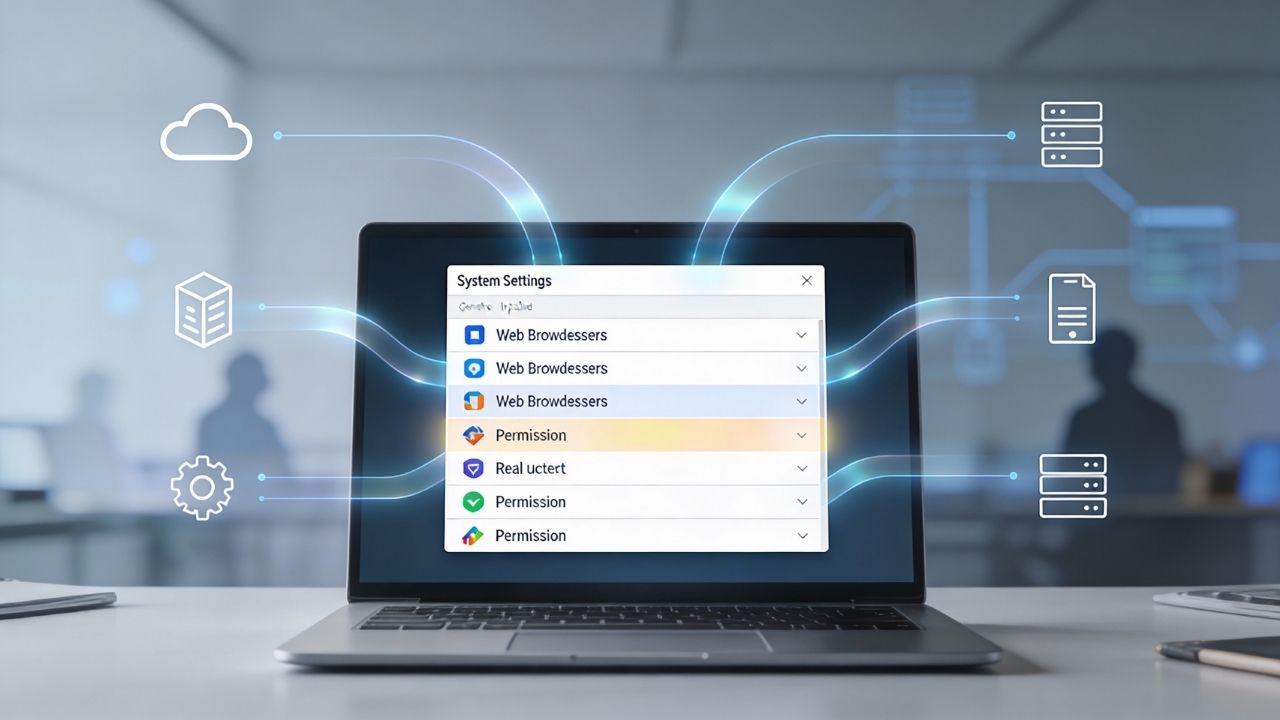
    Browser extensions supply chain vulnerabilities have become one of the most underestimated security risks as 2026 begins. What once felt like harmless productivity tools now sit deep inside daily workflows, quietly accessing browsers, data, and sessions. As organizations rely more on cloud apps and browser based work, attackers have shifted their focus to the extension ecosystem and the software supply chains that support it. This shift is not sudden, but it is accelerating in ways that security teams can no longer afford to ignore.

    Why Browser Extensions Have Become a Prime Target

    Browser extensions operate in a space of high trust and low visibility. Users install them to save time, block ads, manage passwords, or analyze data. Once installed, these tools often gain access to browsing activity, cookies, form inputs, and even internal applications. As a result, attackers see extensions as a direct path to users and corporate environments.

    In early 2026, threat actors are no longer creating obvious malicious extensions. Instead, they target legitimate ones. They compromise developer accounts, inject harmful updates, or acquire popular extensions and quietly change their behavior. Because the extension already has a trusted user base, malicious updates spread quickly without raising alarms.

    The Growing Risk of Supply Chain Weaknesses

    Supply chain vulnerabilities now extend far beyond traditional software vendors. Browser extensions depend on multiple layers such as open source libraries, third party services, analytics tools, and update mechanisms. Each layer introduces risk. When one component fails, the impact reaches thousands or even millions of users.

    In many recent incidents, attackers did not need to exploit browsers directly. They compromised a developer system, stole publishing credentials, and pushed a tainted update through official stores. From the user perspective, everything looked normal. The update came from a trusted source and installed automatically.

    This pattern highlights a critical reality. Trust in the supply chain often replaces security checks. As organizations push for speed and convenience, attackers exploit the same pressure points.

    Early 2026 Threat Trends Shaping This Landscape

    Several threat trends are shaping how browser extension and supply chain attacks evolve in early 2026. One major trend is the rise of delayed activation. Malicious code stays dormant for weeks or months after installation. This delay helps attackers bypass automated scans and human review processes.

    Another trend involves data harvesting that avoids detection. Instead of stealing credentials outright, compromised extensions collect browsing patterns, session details, and internal URLs. Attackers later use this intelligence for targeted phishing or lateral movement. Because the data theft happens slowly, it often blends into normal traffic.

    Additionally, attackers increasingly focus on niche extensions used in finance, development, and security operations. These tools may have smaller user bases, but their users often have elevated access. Compromising one such extension can provide entry into sensitive systems without triggering perimeter defenses.

    Why Traditional Security Controls Fall Short

    Many organizations still rely on endpoint protection and network monitoring as their primary defenses. While important, these controls often overlook browser level threats. Extensions operate inside the browser sandbox, which limits visibility for traditional tools.

    Furthermore, security reviews tend to focus on applications rather than add ons. Extension permissions receive little scrutiny after initial approval. Over time, permissions expand, updates roll out, and the original trust assumptions no longer hold true.

    As a result, attackers exploit this blind spot. They understand that browser based activity often escapes deep inspection. In early 2026, this gap continues to widen as more work shifts entirely into browsers.

    The Human Factor Behind Extension Risk

    User behavior plays a major role in extension related risk. Employees often install tools to solve immediate problems. They may bypass internal guidance or overlook permission warnings. Over time, browsers accumulate dozens of extensions, many of which remain unused but active.

    Attackers rely on this complacency. A forgotten extension with broad permissions becomes an easy target. Even well trained users struggle to evaluate subtle changes in extension behavior, especially when updates appear routine.

    Therefore, the problem is not carelessness alone. It is the mismatch between human expectations and the complexity of modern extension ecosystems.

    Defensive Shifts Organizations Must Make

    To address these risks, organizations need to rethink how they manage browser environments. Visibility must extend into browser extensions and their update behavior. Security teams should treat extensions as software assets rather than personal preferences.

    Clear policies on approved extensions help reduce exposure. Regular reviews of installed tools ensure unused or risky extensions do not linger. In addition, monitoring for unusual extension activity can reveal early signs of compromise.

    Equally important is vendor accountability. Developers must secure their build systems, protect publishing credentials, and communicate transparently about changes. Organizations that depend on third party extensions should demand stronger security practices and faster disclosure when issues arise.

    What This Means for the Rest of 2026

    As 2026 progresses, browser extensions and supply chain vulnerabilities will remain attractive targets. Attackers favor methods that scale quietly and bypass traditional defenses. Extensions offer both advantages.

    At the same time, awareness is improving. Security teams are beginning to recognize browsers as critical infrastructure rather than simple tools. This shift in mindset will shape how organizations invest in monitoring, policy enforcement, and user education.

    However, progress will require consistency. One time audits and reactive fixes will not be enough. Extension security demands ongoing attention, just like patch management or identity protection.

    Conclusion

    Browser extensions supply chain vulnerabilities sit at the intersection of trust, convenience, and hidden risk. In early 2026, attackers continue to exploit this space with patience and precision. As work becomes increasingly browser based, the importance of securing this layer grows even more.

    Organizations that adapt their defenses, review their assumptions, and bring browser security into the mainstream of risk management will be better positioned to face the evolving threat landscape. Those that ignore it may find that the smallest tools can open the largest doors.

    Share. Facebook Twitter Pinterest LinkedIn Tumblr Email
    cyber security threat
    • Website

    Related Posts

    What Is Cybersecurity and Why It Matters for Modern Organizations

    February 3, 2026

    EU Proposes a Major Cybersecurity Certification Overhaul: What Is Really Changing and Why It Matters

    January 30, 2026

    149 Million Records Exposed in One of the Largest Data Breaches of 2026

    January 28, 2026

    Oracle Jan 2026 CPU: 337 Patches & CVSS 10 Analysis

    January 23, 2026

    European Space Agency Data Breach Exposes Space Sector Cyber Risks

    January 23, 2026

    Venezuela US China Cyber Espionage Phishing Campaign

    January 21, 2026
    Leave A Reply Cancel Reply

    Top Picks
    Editors Picks

    What Is Cybersecurity and Why It Matters for Modern Organizations

    February 3, 2026

    EU Proposes a Major Cybersecurity Certification Overhaul: What Is Really Changing and Why It Matters

    January 30, 2026

    149 Million Records Exposed in One of the Largest Data Breaches of 2026

    January 28, 2026

    Oracle Jan 2026 CPU: 337 Patches & CVSS 10 Analysis

    January 23, 2026
    Advertisement
    Demo
    About Us
    About Us

    Artificial Intelligence & AI, The Pulse of Cybersecurity Powered by AI.

    We're accepting new partnerships right now.

    Email Us: info@cybersecuritythreatai.com

    Our Picks

    Cybersecurity Account Based Marketing Services

    December 22, 2025

    Cybersecurity Content Marketing Services

    December 22, 2025

    Cybersecurity Digital Marketing Services

    December 22, 2025
    Top Reviews
    X (Twitter) YouTube LinkedIn
    • Home
    • AI Business Marketing Support
    • Cybersecurity Marketing Support
    © 2026 Cybersecurity threat & AI Designed by Cybersecurity threat & AI .

    Type above and press Enter to search. Press Esc to cancel.

    Grow your AI & Cybersecurity Business.
    Powered by Joinchat
    HiHello , welcome to cybersecuritythreatai.com, we bring reliable marketing support for ai and cybersecurity businesses.
    Can we help you?
    Open Chat